
BNP Paribas Sustainable Finance Challenge Singapore 2026 : Accelerating Innovation in Sustainable Finance


THE CHALLENGE IN A FEW WORDS
At BNP Paribas, we are convinced that collaboration and diversity are key enablers of innovation.
The purpose of this challenge is to bring together your ideas and BNP Paribas’ sector expertise to create a positive impact. As the bank for a changing world, BNP Paribas understands that the impact of climate change and shifts in social and consumer expectations are transforming businesses. This is happening at an unprecedented speed, making it necessary to accelerate innovation in sustainable finance.
In this context, this challenge is an opportunity for you to solve, with the guidance and support of BNP Paribas senior mentors, a concrete issue for the bank in the sustainable finance field.
This is a unique chance to better understand how a leading international financial institution works and to make a difference.
WHY COMPETE ?
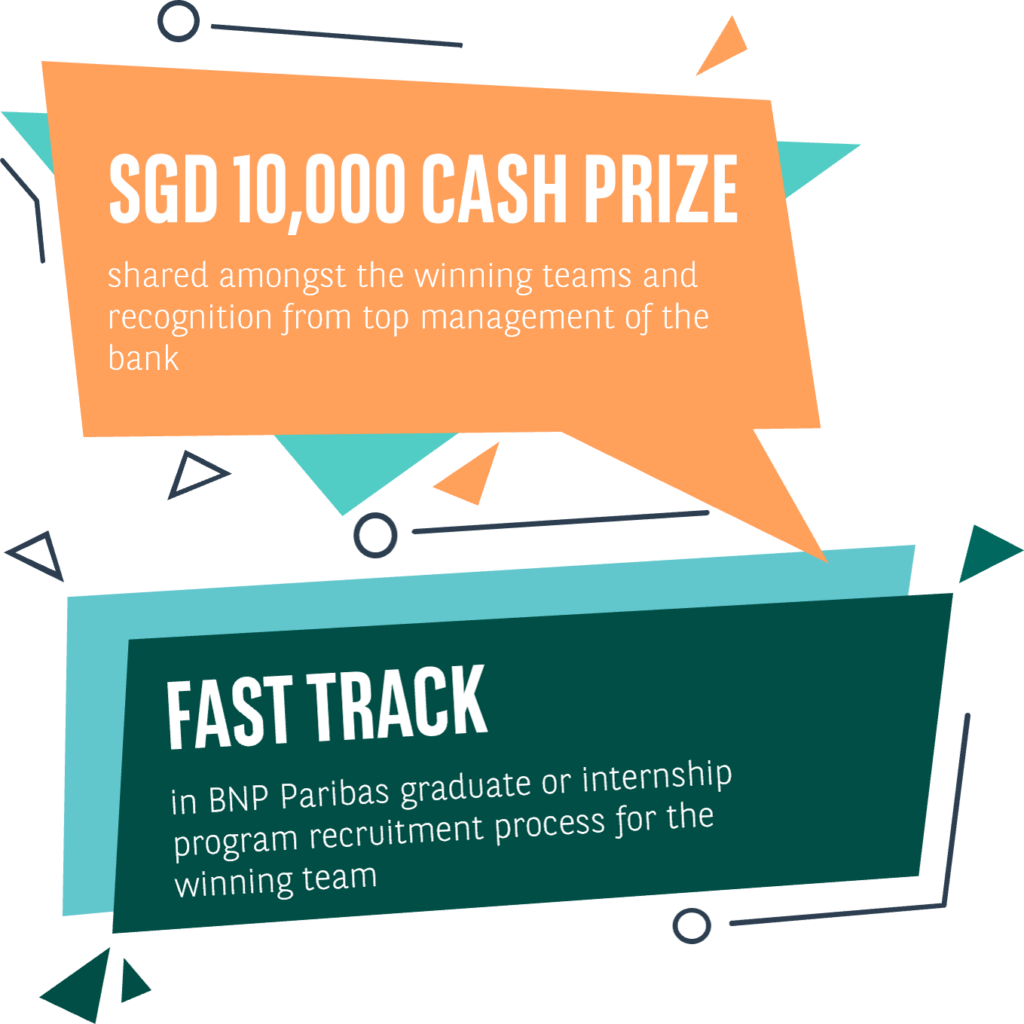
But also..
- Solve a real problem by designing a practical solution and get the chance to see your project implemented
- Benefit from the mentorship from seasoned bankers and expand your professional network
- Differentiate your resume highlighting your sustainable finance innovation
JOINING THE CHALLENGE
This challenge invites students in the penultimate year of their undergraduate studies or higher (including postgraduates) of Nanyang Technological University (NTU), National University of Singapore (NUS), Singapore Management University (SMU) and Universiti Malaya (UM) from any academic programmes to design a solution addressing a specific issue on sustainability. Each team should consist of 3-5 students from the same university but can be enrolled in different academic programmes.
You can refer to these resources for more details:
Flyer: Sustainable Finance Challenge Overview
FAQ
Registration Form
Watch the kick-off webinar replay
WATCH A RECAP OF SUSTAINABLE FINANCE UNIVERSITY CHALLENGE SINGAPORE IN 2025
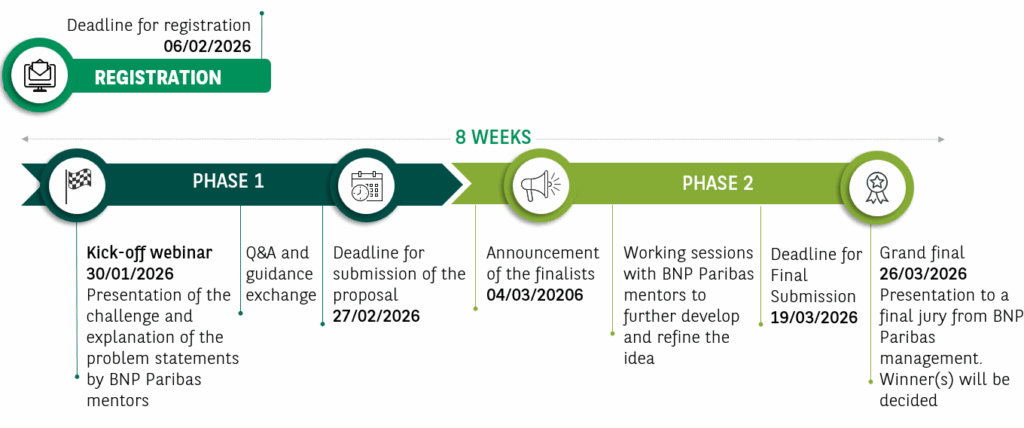
TIMELINE
CHOOSE YOUR PROBLEM STATEMENT
The problem statements below are carefully selected by our panel of seasoned bankers and sustainability experts. These are real issues faced in sustainable finance faced by banks and the wider financial sector.
When registering your team for the challenge, please specify which problem statement you will work on.
1. Shipping: As uncertainty grows around the timing and design of the IMO Net-Zero Framework, financial institutions face multiple possible policy pathways for the maritime sector. How can an asset manager develop a scenario-based approach to evaluate transition risks and opportunities across shipping, ports, and fuel value chains, and translate these insights into investment and stewardship strategies?
2. Shipping: Singapore is a proponent of the IMO Net-Zero Framework, what role can it play in global shipping decarbonization over the next decade? How can financial institutions support this?
3. As AI risks and impacts vary significantly across sectors, financial institutions must tailor their responsible AI expectations while operating within an evolving framework landscape. How can an asset manager develop a structured approach that translates existing AI accountability frameworks into practical, comparable expectations for companies at different stages of AI adoption?
4. How can sustainable investment specialists at BNP Paribas Asset Management better translate ESG and stewardship insights into investment solutions and reporting that resonate with diverse APAC client segments?
5. Sustainable supply chain finance in APAC struggles with SME’s limited capacity to track emissions and sustainability metrics, leading to unreliable Scope 3 reporting. What type of simplified verification tools can be created to enable smaller suppliers to generate credible date for ESG-linked financing?
6. Many SMEs perceive low business value in green practices, restricting eligibility for ESG financing and deepening unmet funding needs. Can you design incentives or education program that boost adoption of sustainable practices among APAC suppliers to unlock better financing terms?
7. Labor-intensive Scope 3 verification deters banks from extending credit to multi-tier suppliers. Can we use blockchain or AI driven methods to streamline tracking and de-risk financing of deeper supply chain layers?
8. As private banks compete to become the preferred partner for NextGen clients in Asia, propose a differentiated product and service offering that BNP Paribas could deliver to this wealth management segment, for example, combining sustainable thematic investing, access to private markets, and impact venture/innovation exposure, or various partnership opportunities.
Explain how this proposition would clearly differentiate BNP Paribas’ private bank and remain competitive within the 2026 Asian wealth management landscape.
9. NextGen wealth clients seek greater control, transparency, and digital-first experiences in how they manage their money. For young affluent investors in Singapore, design a mobile-first “NextGen Sustainable Wealth” proposition that aggregates portfolios across providers and integrates ESG and impact analytics into the core user experience.
The concept should articulate not only what the platform does, but how it looks, feels, and behaves, including screen design, navigation logic, data visualization, and client messaging. It should enable real-time sustainability preference setting, basic scenario analysis, and personalized behavioral nudges that support a gradual shift toward high-integrity sustainable and transition investments (while remaining compliant with suitability obligations and mitigating greenwashing and reputational risk).
10. In an environment where pricing advantages for sustainable debt are becoming less consistent, and reporting burdens and greenwashing risks remain notable for both issuers and investors, how can BNP Paribas redefine and deliver a compelling value proposition for sustainable debt beyond the traditional greenium, while helping issuers and investors strengthen confidence and transparency?
11. Many clients, including corporates across various industries and institutional investors, have made commitments to reduce carbon emissions or achieve net-zero targets, but delivering on these goals in practice remains complex. How can BNP Paribas define a strategy to support clients in reducing emissions or achieving net-zero objectives?
Students may choose the scope of clients they wish to focus on, such as corporates in general, specific industries (e.g., manufacturing or utilities) or institutional investors.
DELIVERABLES & JUDGING CRITERIA
What is required for Phase 1
For the qualification phase, we are looking for a short slide deck in PDF format. You can also include research materials such as excel tables. The document should outline how your solution can help to solve the problem statement.
You are welcome to exercise your creativity and describe your solution in the most compelling way. However, we do expect your slide deck to include the following elements to facilitate the judges’ deliberation in Phase 1:
- Description of the solution
- Analysis of the proposition (e.g SWOT analysis)
- Resources needed to develop the solution (cost, stakeholders involved, timeline of implementation, etc.)
What is required for Phase 2
For the final phase, the finalist teams will be invited to present your proposal in form of a pitch presentation (with supporting material). Finalists will be supported by their mentor to present a high quality pitch to the jury.
Judging criteria
Your proposition will be evaluated on the following criteria:
- Creativity and innovation
- Relevance of the solution to the problem statement
- Impact
- Feasibility
- Overall quality of the presentation
THE JURY
The finalists will be invited to present their solution to a panel of jury from BNP Paribas management.
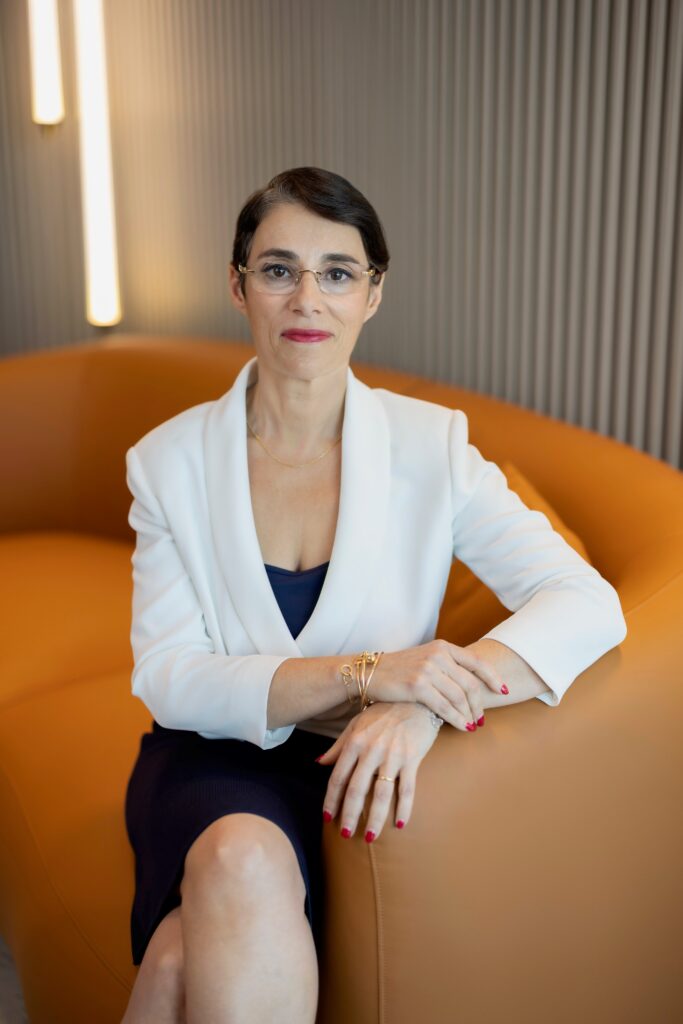
Karine Delvallée, Chief Executive Officer, BNP Paribas Singapore Branch and Regional Head for Southeast Asia
Karine Delvallée has built a successful career with BNP Paribas over the past 30 years. Beginning as a Relationship Manager for Corporate clients in 1993, she has progressed through a series of roles with increasing responsibility across Europe
and Asia. She has developed deep expertise in credit and risk management for more than 20 years in these areas. Key positions held include Head of Energy and Commodities Finance Credit Management; Head of RISK, Corporate APAC ; and Chief Risk Officer, APAC. In 2019, Karine relocated to Australia to assume the role of Head of Territory for Australia and New Zealand and General Manager of the BNP Paribas Australia Branch.
In February 2025, she took over the role as Regional Head of Southeast Asia and Chief Executive Officer, BNP Paribas Singapore Branch. Karine is a dedicated and experienced leader with a proven track record of driving strategic growth and managing risk effectively. She is passionate about fostering a culture of collaboration and innovation and is deeply committed to serving the needs of BNP Paribas and its clients. Karine graduated from the École Supérieure de Commerce de Paris (ESCP) in 1993 majoring in Finance and Law.

Sin Ming Tan, Head of Corporate Coverage, Southeast Asia, Global Banking APAC
With over 25 years of extensive experience in Asia, including the last 20 years with BNP Paribas Singapore, Sin Ming possesses a deep understanding of the region. Her responsibilities include overseeing the Pilot Coverage/Relationship management teams in Southeast Asia, which covers a portfolio of state-owned companies, large private groups, and conglomerates in the region. In her role, she works closely with various business lines and sectors to ensure the full marketing of the bank’s services, offerings and network.
Sin Ming holds a Bachelor of Accountancy degree from Nanyang Technological University, providing her with a solid academic foundation in finance. Her relevant experience spans over two decades, with her joining BNP Paribas Singapore in 2004. Currently, she serves as the Regional Team Head in Southeast Asia and Global Relationship Manager for key strategic clients in Singapore. Throughout her career, she has gained experience across various banking products and services. Prior to joining BNP Paribas, she worked with local financial institutions and international banks, covering Singapore and regional names in countries such as Indonesia, Thailand and India.
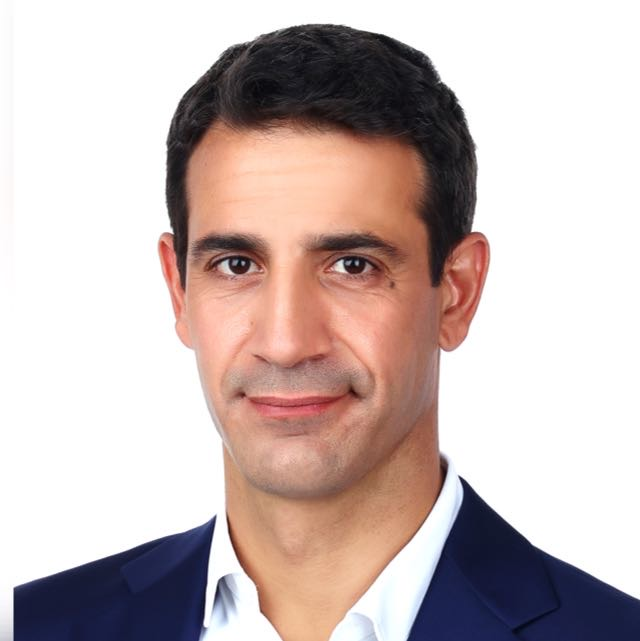
Simone Chirolli, Co-Head, Low Carbon Transition Group APAC
Based in Singapore, Simone co-leads a team of experts to meet the rapidly evolving and expanding needs of our corporate and institutional clients in the region. LCTG APAC serves as the central point of contact for all matters related to low carbon transition, both internally and externally.
Simone brings years of financing and sector expertise. Prior to BNP Paribas, he led the M&A team at SMBC for APAC focusing on Energy and Infrastructure clients, and before that spent over a decade at JPMorgan in both EMEA and APAC, covering the Energy, Power and Utilities sectors.
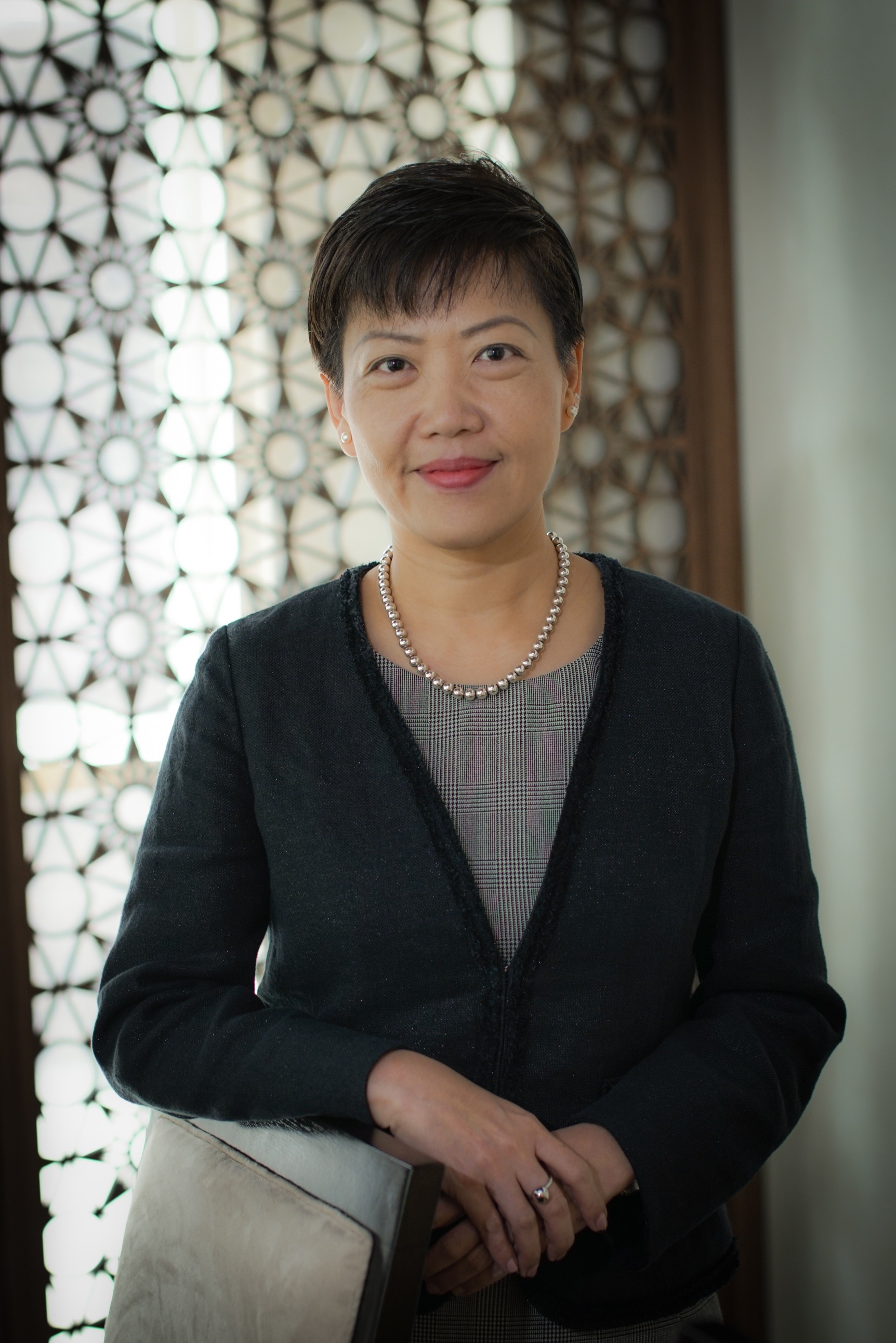
Florence Foo, Head of Human Resources Southeast Asia and Singapore, BNP Paribas
Florence is the Head of Human Resources, Singapore & Southeast Asia for BNP Paribas. Florence was educated in Singapore and Canada, and has lived and worked in Singapore, Hong Kong, Malaysia and Japan for over the 29 years of her professional experience, predominantly in the financial services industry.
The first 7+ years of her career was in Financial Markets Trading and Sales. Post the Asian crisis, Florence embarked on the second phase of her career in the area of Human Resources. She now has over 20 years of human resources experience, having held roles at country, regional and global level, across the full spectrum of HR activities (recruitment, employee relations, business partnering, leadership facilitation, etc) with several global banks.